

































Consumers don’t equate value with low prices; they equate it with getting what they paid for. While 65% of U.S. foodservice visitors belong to a loyalty program,¹ coupons and points aren’t what drive value away from home. In fact, great taste accounts for 55% of the away-from-home value equation, while coupons and loyalty programs account for just 11%.²
For operators facing tight margins, this distinction is critical. Loyalty programs encourage repeat visits, but food quality, brand trust, and a compelling guest experience give patrons a reason to come back in the first place. Here are four ways operators can build lasting guest loyalty through what’s on the menu rather than what’s subtracted from the check.
Ingredient #1: The Flavor Factor
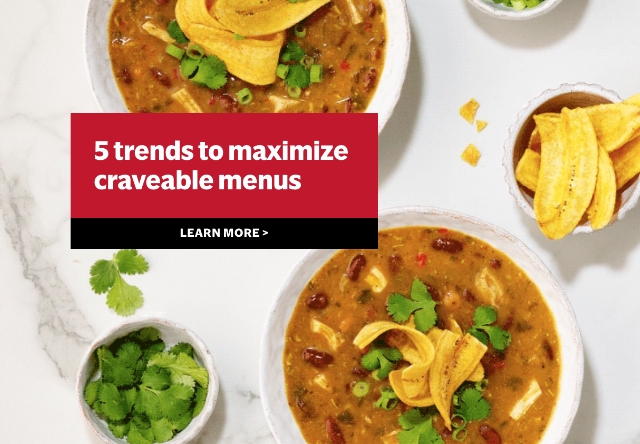
Great taste is the single largest component of consumer value,² making craveability the natural starting point for guest retention. Operators can build craveability through signature sauces, comfort-food favorites, global twists, or seasonal menu offers.
Trusted name brands play a key role in building flavor confidence. Half of operators say brand names provide familiarity, 43% rely on brand trust, 33% report that branded items sell better, and 31% say patrons actively request them.³
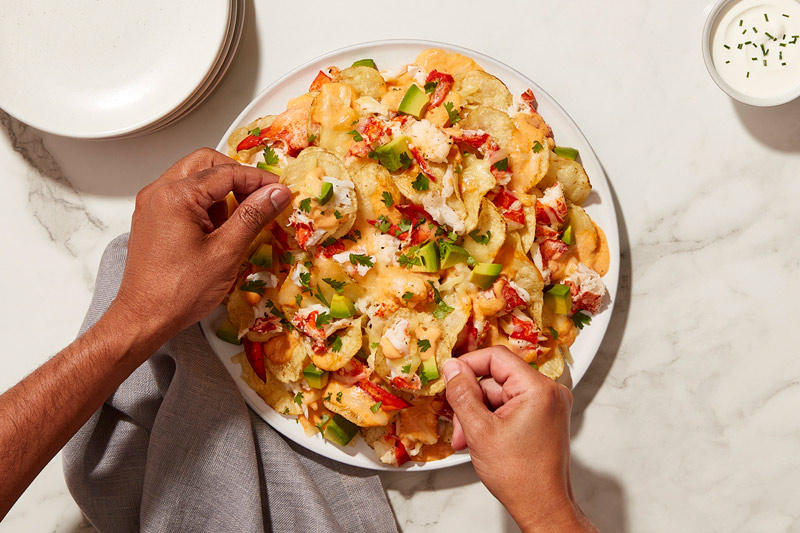
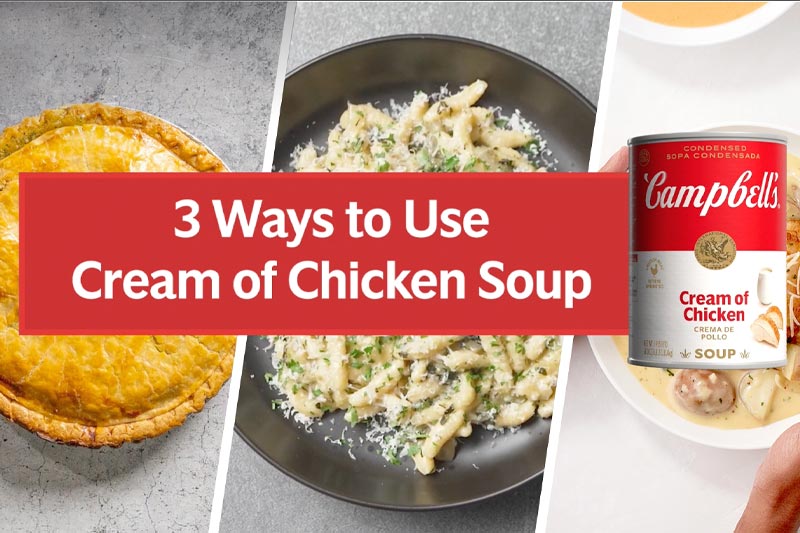
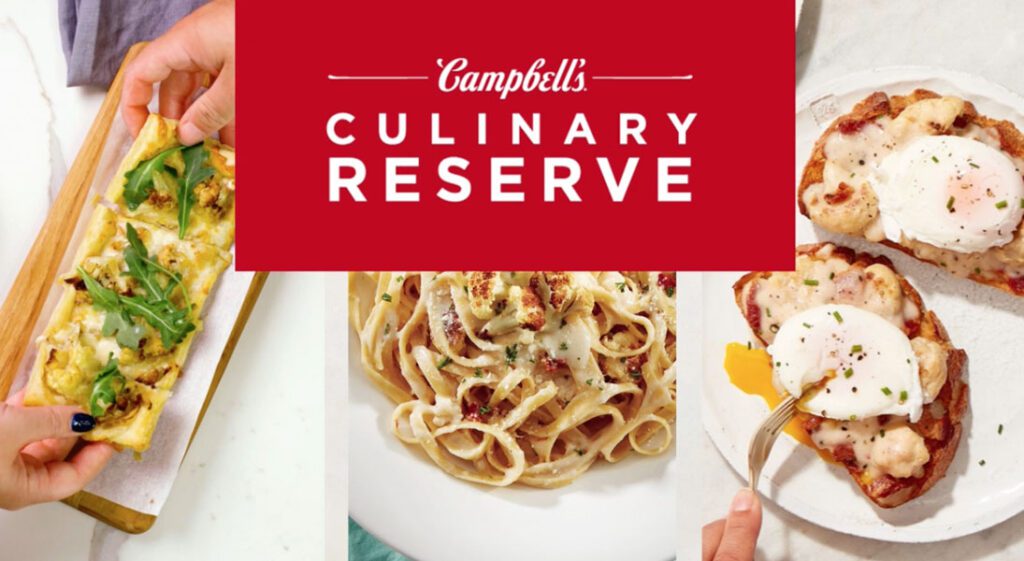
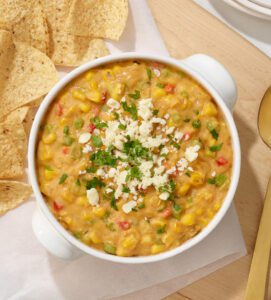
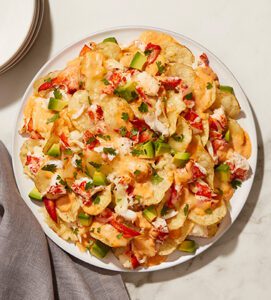
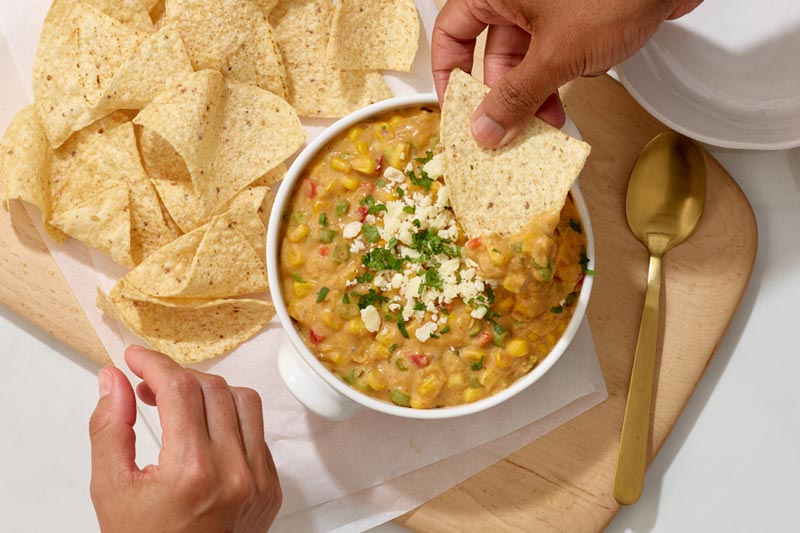
Flexible ingredients allow operators to turn familiar flavors into signature dishes. For example, Cheesy Mexican Street Corn Dip transforms Campbell’s® Culinary Reserve Mexican Street Corn Soup into a shareable dish, while Campbell’s® Condensed Cream of Chicken Soup provides a rich base for a Coconut Curry Sauce.
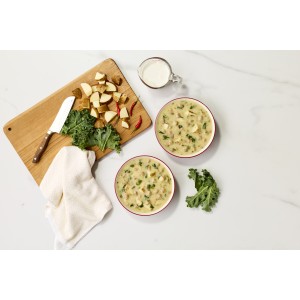
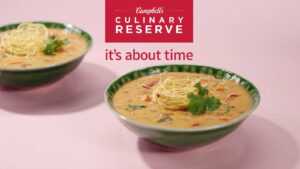
Soup itself can also provide menu variety as a main or side. Campbell’s® Culinary Reserve Zuppa Toscana brings together Italian-style sausage, potato, and kale, while Campbell’s® Culinary Reserve Thai Red Curry with Lentils offers globally inspired flavor in a plant-forward format.
Ingredient #2: The Power of Predictability
Guests can’t develop a favorite dish if it tastes different every visit. When operational consistency breaks, the habit breaks with it. Predictability goes beyond recipe execution, resting on labor, training, portioning, and speed.
Operational failures directly impact guest perception: 38% of consumers report slow or inattentive service, 34% experience rude staff, and 30% report order mistakes.⁴ Each of these service breakdowns chips away at guest retention.
Engineered solutions can remove variability from kitchen operations. Using speed-scratch foundations like Campbell’s® Culinary Reserve ensures that soup and sauce bases deliver the exact same flavor whether prepared during a slow afternoon shift or a busy weekend rush.
Ingredient #3: Something to Come Back For
Menu innovation is a margin play as much as a creative one. Seventy-six percent of operators who innovate menus cite improving margins as a primary driver.⁵ High-impact, low-lift additions, such as seasonal specials, rotating signature items, or soup-and-sandwich pairings, drive traffic and excite guests without operational complexity.
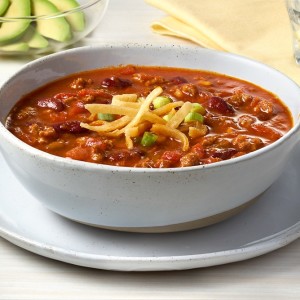
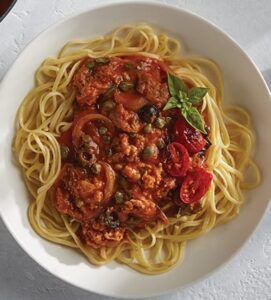
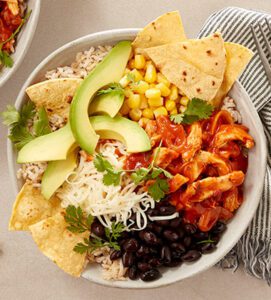
Soup is a versatile platform across dayparts. For example, this Chicken Tinga Bowl, built on Campbell’s® Condensed Tomato Soup, turns a pantry staple into a shareable bowl entrée. The Italian Sausage with Pasta made with Campbell’s® Culinary Reserve Roasted Red Pepper & Smoked Gouda Bisque features soup as a sauce base for a scratch-tasting dish without scratch-made labor. Used this way, soup is more than a category – it becomes a platform, and one of the easiest ways to build loyalty without touching the price tag.
Ingredient #4: Redefining “Worth It”
Guests evaluate the complete experience, not just the price on the menu. That means operators have more levers to pull than the price itself: Quality, portion, convenience, customization, hospitality, consistency, and menu variety all shape whether a guest feels like they got their money’s worth.
The key distinction is this: Discounting reduces the price. Perceived value increases what guests believe they’re getting for that price. One shrinks the number on the check. The other changes the equation entirely, and it’s the equation that determines whether a guest comes back.
That distinction gives operators a way to protect margins while strengthening the guest relationship, building loyalty through what’s on the plate and how the visit feels, rather than through what’s subtracted from the bill.
Mix, Serve, Repeat
The strongest loyalty strategy may not be a better discount. It may be a better reason to come back.
That reason is built from four ingredients working together: great taste, consistent execution, menu innovation, and meaningful perceived value. None of them require lowering a price. All of them require delivering something guests believe is worth what they paid.
Quality ingredients sit at the center of that equation. The right base can help deliver the food guests want to order again and again, while also supporting the consistency and efficient execution operators need to protect margins. Campbell’s® Culinary Reserve soups are a natural example: a flexible, flavorful foundation that works across dayparts, formats, and menu innovations, without adding complexity to the kitchen.
Discounting will always be an option. But it’s rarely the one that builds a habit. Explore more recipe inspiration at Campbell’s Foodservice to see how a few reliable ingredients can do a lot of work.
1Datassential, The Value Equation: Trade-Offs That Shape Dining Decisions, Elevate Experience, June 2026
2Datassential, Table Stakes Tracker, April 2026
3Datassential, Name Brands on the Menu, October 2025
4Datassential, Vibe-cession & Value, Elevate Huddle, June 2026
5Datassential, Menu Innovation vs. Simplification, Elevate Huddle, March 2026