














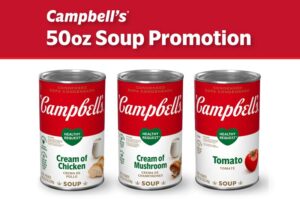





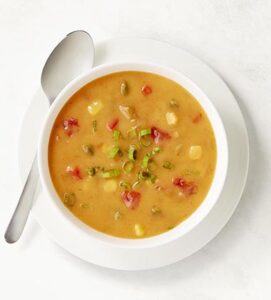






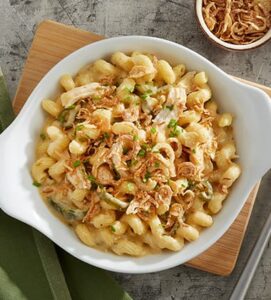


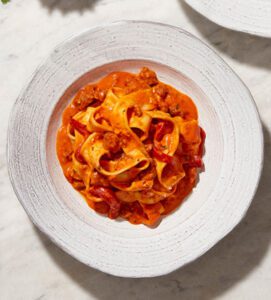
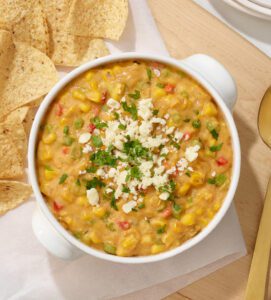











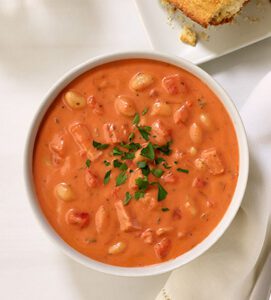



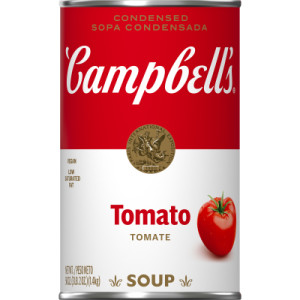
Campbell’s Condensed Tomato Soup, 50 Ounce Cans, 12-Pack
Case Code: 00016


Campbell’s helps healthcare teams adhere to IDDSI guidelines with resources, expert insights, and menu inspiration designed to meet a range of dysphagia needs.

Dysphagia is a condition that makes it difficult or unsafe to swallow food or liquids due to problems in the mouth, throat, or esophagus. It can lead to symptoms like choking, coughing, or food getting stuck, and may compromise nutrition, increase health risks, and reduce quality of life.1, 2, 3

IDDSI Basics: Foundations for Serving Safe, Texture-Modified Diet
Watch Now

In adults with dysphagia, texture-modified diets can help support adequate overall food intake. For those with difficulty swallowing, modifying food texture—such as mincing or puréeing—may improve the ability to consume sufficient amounts of food.5

For safety and consistency, IDDSI now sets the standards for texture-modified diets. This may mean increased training, operational adjustment, and procurement challenges for operations.
For more information, visit iddsi.org.
Meet IDDSI guidelines with comforting soups modified for dysphagia patients and residents.
Download Brochure

Partnering With Nutrition Expert and Dietetic Consultant
Margaret Roche, RD
Margaret Roche is the founder of Roche Dietitians and a nationally recognized leader in nutrition consulting. She is currently acting as a consultant in the healthcare space for Campbell’s Foodservice. Maggie’s mission is to educate and empower those who nourish others. Most recently, Maggie has created IDDSI training programs that simplify IDDSI implementation, improve food quality, and promote safety. She has trained thousands on the IDDSI Framework and Testing Methods. Maggie is a registered dietitian with a master’s degree in clinical nutrition. She has advanced credentials as a board-certified specialist in gerontological nutrition and is distinguished as a Fellow of the Academy of Nutrition and Dietetics.

Case Code: 00016
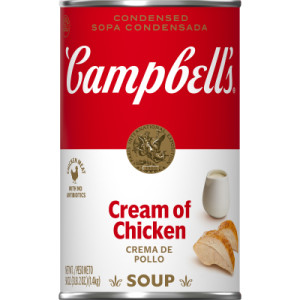
Case Code: 01036
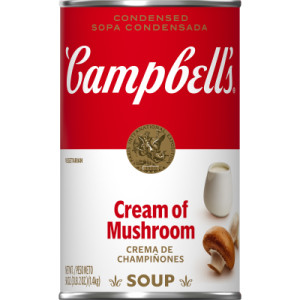
Case Code: 01266
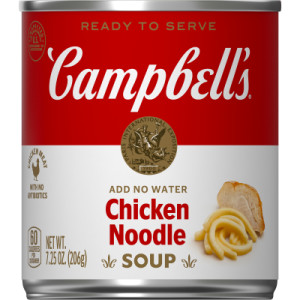
Case Code: 00444
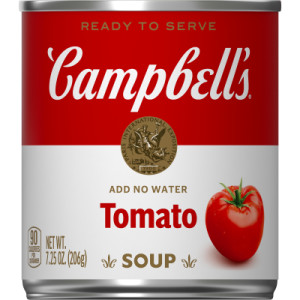
Case Code: 00447
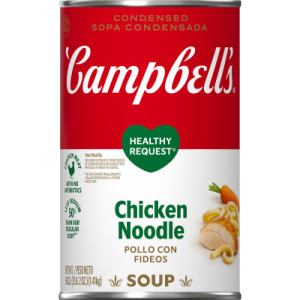
Case Code: 04142
Adult dysphagia. American Speech-Language-Hearing Association (Practice Portal). Retrieved June 11, 2025. www.asha.org/Practice-Portal/Clinical-Topics/Adult-Dysphagia/
Nielsen AH, Eskildsen SJ, Danielsen J, et al. Defining dysphagia—A modified multi-professional Danish Delphi study. Scand J Gastroenterol. 2023;58(6):583-588.
https://doi.org/10.1080/00365521.2022.2151850
Ortega O, Martín A, Clavé P. Diagnosis and management of oropharyngeal dysphagia among older persons, state of the art. J Am Med Dir Assoc. 2017;18(7):576-582. doi:10.1016/j.jamda.2017.02.015
Doan T-N, Ho W-C, Wang L-H, et al. Prevalence and methods for assessment of oropharyngeal dysphagia in older adults: A systematic review and meta-analysis. J Clin Med. 2022;11:2605. https://doi.org/10.3390/jcm11092605
Chu Y-C, Chao JC-J. Effectiveness of diet modification on dietary nutrient intake, aspiration, and fluid intake for adults with dysphagia: A meta-analysis of randomized controlled trials.
J Nutr Health Aging. 2025;29:100486.
Get the latest news and updates from Campbell’s Foodservice.